Tutorials
In a dynamic and often turbulent technological landscape, artificial intelligence is reshaping industries at an unprecedented pace. Organizations are adopting AI solutions, leading to significant workforce adjustments, a fundamental re-evaluation of AI development methodologies, and the proliferation of sophisticated AI agents across various platforms. The rapid evolution of AI tools and models presents both profound opportunities and pressing challenges for businesses and individuals alike.
The dawn of 2026 has witnessed a dramatic acceleration in AI integration, compelling companies to make difficult strategic decisions. Major tech giants, in their relentless pursuit of efficiency and innovation, are openly attributing substantial workforce reductions to AI-driven automation. This shift is not merely about cost-cutting; it represents a fundamental reallocation of resources toward AI research and development, signaling a new era where artificial intelligence is seen as a core investment rather than an auxiliary tool.
For instance, in early March 2026, Atlassian, a prominent software company, announced a 10% reduction in its global workforce, impacting approximately 1,600 employees. The company explicitly stated that these layoffs were intended to "self-fund further investment in AI and enterprise sales," unequivocally linking job losses to its AI strategy. Similarly, Block CEO Jack Dorsey oversaw the departure of 4,000 employees, nearly half of its workforce, citing AI automation as the primary catalyst. Reports from Reuters indicate that Meta is also anticipating a 20% workforce reduction, driven by the belief that AI will enable smaller, more efficient teams. Oracle, grappling with the immense financial demands of expanding its AI data centers, is reportedly preparing for thousands of job cuts, with some estimates suggesting as many as 30,000 positions could be affected. Even Amazon, following an initial round of 16,000 layoffs in January, reportedly planned another 14,000 cuts in the second quarter. Globally, March 2026 alone saw 45,000 tech layoffs, with over 9,200 explicitly linked to AI and automation, underscoring a prevailing trend where AI is increasingly the direct cause for workforce restructuring, rather than merely a contributing factor amid broader economic headwinds.
As AI capabilities expand, so does the complexity of its underlying architecture. A significant debate is currently unfolding regarding the optimal framework for connecting AI agents to external systems. The Model Context Protocol (MCP), once envisioned as a potential standard in 2025, is now facing scrutiny. Critics argue that MCP, while functional, can be cumbersome, leading to issues such as excessive context window usage, authentication complexities, and the need for frequent server management.
Denis Yarats, co-founder and CTO of Perplexity, revealed that his company is transitioning away from MCPs in favor of traditional APIs and command-line interfaces. This strategic pivot coincided with Perplexity's launch of a comprehensive, model-agnostic API platform designed to streamline the integration of various AI components. Garry Tan, president of Y Combinator, expressed a similar sentiment, openly criticizing MCP for its perceived inefficiencies. The discussion highlights a growing preference for lightweight, agile solutions when possible, reserving more robust protocols for specific, high-demand applications. The consensus among leading developers suggests that the future of AI architecture lies in a hybrid approach, leveraging the most appropriate tool for each specific task, rather than a one-size-fits-all solution.
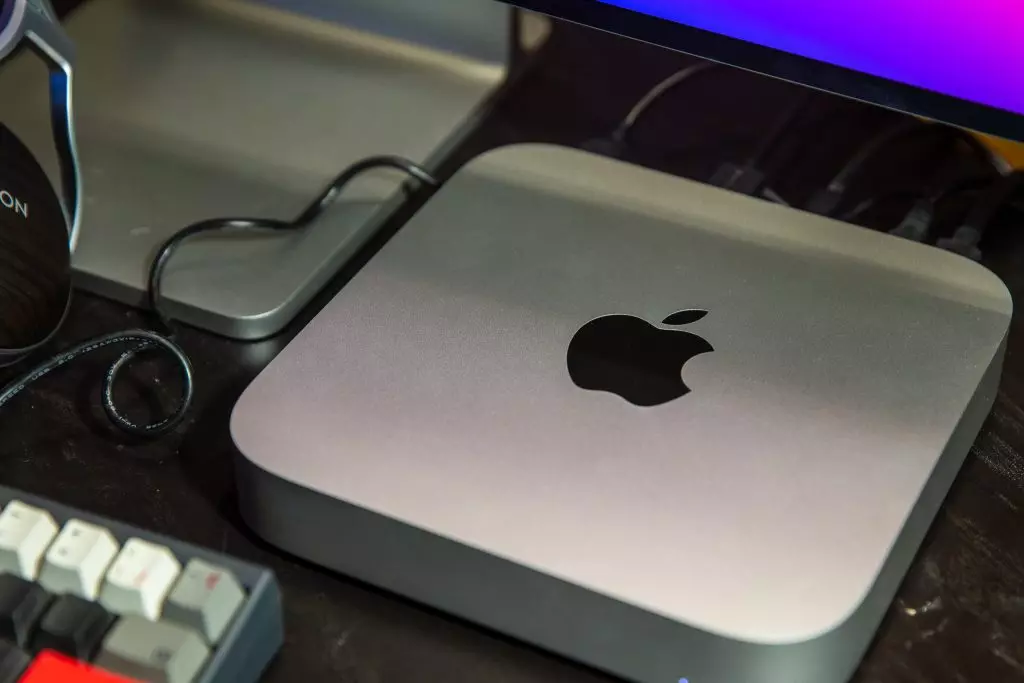
The burgeoning field of AI agents is creating a demand for dedicated computational resources. Surprisingly, the Apple Mac Mini is rapidly becoming the preferred hardware platform for hosting always-on AI agents. Its compact design, powerful processing capabilities, and energy efficiency make it an ideal choice for running persistent AI tasks.
Perplexity recently showcased its "Personal Computer" initiative, an always-on, local AI agent designed to operate seamlessly across a user's files, applications, and sessions on a Mac Mini. Concurrently, Moonshot unveiled a solution that enables macOS to create a separate user account for an AI agent, allowing two distinct users – one human, one AI – to co-exist on a single device. This trend extends beyond Silicon Valley, with a notable "OpenClaw gold rush" in China, where entrepreneurs are rapidly building businesses around AI agent installations. The Chinese cybersecurity regulator's recent warning about the security risks associated with these on-device agents further underscores their widespread adoption. This marks a clear shift: AI agents are moving beyond web browsers and cloud servers to become integral, locally hosted components of our computing environments.
The concept of "vibe coding" – where users describe desired functionalities and AI tools generate the code – is gaining significant traction. Replit, a prominent platform in this space, recently secured $400 million in Series D funding, achieving a staggering $9 billion valuation. With Agent 4's launch and a user base of 50 million, Replit projects hitting $1 billion in run-rate revenue by year-end, signaling the immense potential of AI-assisted development. Platforms like Cursor are also innovating, offering "Automations" that transform the Integrated Development Environment (IDE) into an autonomous engineering assistant. These tools empower both novice and experienced developers, albeit with different entry points, towards a shared destination of accelerated software creation.
However, the rapid adoption of vibe coding also brings cautionary tales. Amazon experienced multiple outages traced back to AI-assisted code changes, prompting a 90-day "code safety reset" requiring senior engineer approval for AI-generated deployments. This highlights a critical challenge: while AI can significantly boost productivity, it necessitates robust human oversight and judgment to prevent the accumulation of "security debt." The essence of vibe coding is to augment, not replace, human expertise, emphasizing that a deep understanding of quality code remains paramount.
Anthropic's AI model, Claude, is experiencing remarkable user growth, reportedly adding a million users per day since early March 2026. This exponential surge has allowed Claude to displace ChatGPT as the top free AI app in Apple's App Store across numerous countries. Anthropic is evolving Claude beyond a mere chatbot into a comprehensive productivity platform, offering specialized tools like Claude Code for developers and Cowork mode for non-technical desktop automation. The company's commitment to ethical AI principles has also become a distinct competitive advantage. A notable example is Anthropic's lawsuit against the Department of Defense over a "supply chain risk" designation, which arose after the company refused to allow its AI to be used for mass surveillance. This principled stance, supported by industry giants like Microsoft, demonstrates that values are increasingly becoming a crucial differentiator in the AI market, influencing user adoption and platform loyalty.
This week's developments underscore the profound and multifaceted impact of AI. From altering the global workforce to transforming software development paradigms and the very hardware that powers AI, the technology continues its relentless march forward, demanding adaptability, critical evaluation, and ethical consideration from all stakeholders.
As a reporter witnessing these transformative shifts, I am struck by the undeniable acceleration of AI's integration into every facet of our professional and personal lives. The current wave of AI-driven layoffs, while unsettling, forces a critical re-evaluation of human-machine collaboration. It’s no longer a distant future where AI influences job roles; it is our present reality. This necessitates a proactive approach to skill development, emphasizing adaptability and the mastery of AI tools rather than resisting their advent.
The architectural debate between MCP and API, alongside the emergence of dedicated AI agents on devices like Mac Minis, illustrates the rapid maturation of the AI ecosystem. It signals a move towards more specialized, efficient, and localized AI solutions. For developers and tech enthusiasts, staying abreast of these evolving standards and hardware innovations is crucial for harnessing AI's full potential.
Moreover, the rise of "vibe coding" presents both immense promise and significant perils. While democratizing software creation, it also highlights the indispensable role of human judgment and ethical considerations in preventing unintended consequences. The lesson here is clear: AI amplifies human capabilities, but it also magnifies the impact of human errors if not handled with care and critical thought. Finally, Claude's meteoric rise, fueled by its ethical stance, reveals a burgeoning consumer awareness regarding AI's societal impact. In an increasingly interconnected world, the values embedded within AI platforms can be as powerful a differentiator as their technical prowess. These trends collectively paint a picture of a future where AI is not just a tool, but a fundamental partner, reshaping how we work, innovate, and interact with technology, demanding continuous learning and thoughtful engagement from us all.