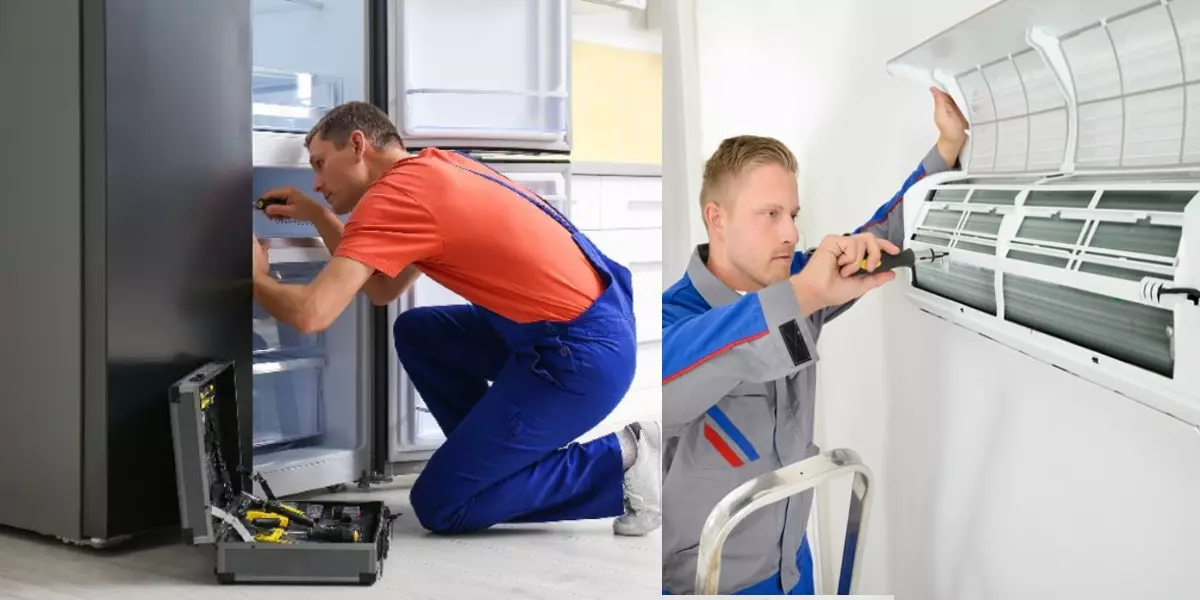
Air Conditioning Repair Training: Technical Foundations, Mechanisms, and Practical Context
ByThomas Red Hawk
1. Objective Clarification
The primary objective of air conditioning repair training is to develop the ability to understand system components, identify operational faults, and perform maintenance or repair procedures safely and effectively. The training emphasizes both theoretical knowledge and practical skill development.
This type of training does not guarantee employment outcomes or specific performance results. Instead, it focuses on building competencies in system diagnostics, equipment handling, and adherence to safety standards. Training objectives may include:
Understanding the structure and function of air conditioning systems
Learning diagnostic techniques for identifying mechanical or electrical faults
Applying safe handling practices for refrigerants and electrical components
Developing maintenance and repair procedures aligned with industry standards
2. Basic Concept Explanation
Air conditioning systems operate by transferring heat from indoor spaces to the external environment, thereby regulating indoor temperature and humidity. The fundamental components of most systems include:
Compressor
Condenser
Expansion device
Evaporator
These components work together in a refrigeration cycle, which involves the circulation of refrigerant through different pressure and temperature states.
Air conditioning repair training introduces learners to:
Basic thermodynamic principles such as heat transfer and phase change
Electrical systems including wiring, circuits, and control systems
Mechanical components such as fans, motors, and compressors
Training programs typically combine classroom instruction with laboratory practice, enabling learners to apply theoretical knowledge in simulated or real-world scenarios.
3. Core Mechanisms and In-Depth Explanation
The operation of air conditioning systems is based on thermodynamic and mechanical principles. The refrigeration cycle includes four main stages:
Compression: The compressor increases the pressure and temperature of the refrigerant gas
Condensation: The refrigerant releases heat and condenses into a liquid
Expansion: The liquid refrigerant passes through an expansion device, reducing its pressure
Evaporation: The refrigerant absorbs heat from the indoor environment and evaporates back into a gas
Repair training focuses on understanding these processes and identifying disruptions that may occur at each stage.
Diagnostic mechanisms include:
Measurement of temperature, pressure, and airflow
Electrical testing using tools such as multimeters
Visual inspection for leaks, corrosion, or mechanical wear
Technical training also emphasizes:
Refrigerant handling procedures, including environmental and safety considerations
System calibration and performance optimization
Preventive maintenance techniques to reduce system failure
Safety mechanisms are a critical component:
Proper handling of high-pressure systems
Awareness of electrical hazards
Use of personal protective equipment
Compliance with environmental regulations regarding refrigerants
4. Comprehensive Overview and Objective Discussion
Air conditioning repair training is applied in various contexts, including residential HVAC systems, commercial climate control systems, and industrial cooling equipment.
Objective advantages include:
Development of technical knowledge applicable to widely used systems
Structured approach to diagnosing and resolving mechanical and electrical issues
Emphasis on safety and regulatory compliance
Limitations and challenges include:
Rapid technological advancement in HVAC systems requiring continuous learning
Complexity of modern systems integrating digital controls and sensors
Variability in training quality depending on program design and resources
Environmental regulations affecting refrigerant use and disposal
Modern training programs may incorporate simulation tools, digital diagnostics, and smart system technologies. These developments reflect the increasing complexity of climate control systems and the need for updated technical competencies.
Environmental considerations are also significant. Air conditioning systems contribute to energy consumption and may involve refrigerants with environmental impact. Training programs often include awareness of energy efficiency and environmental responsibility.
5. Summary and Outlook
Air conditioning repair training provides a structured framework for understanding and maintaining complex cooling systems. By integrating thermodynamics, electrical systems, and mechanical processes, it equips learners with essential technical competencies.
Future developments may include:
Increased integration of smart and connected HVAC systems
Greater emphasis on energy efficiency and sustainable technologies
Use of virtual simulation for technical training
Expansion of automated diagnostic tools
As air conditioning systems continue to evolve, training approaches are likely to adapt, incorporating new technologies and updated regulatory standards.
6. Q&A Section
Q1: What knowledge areas are included in air conditioning repair training? The training typically includes thermodynamics, electrical systems, mechanical components, and refrigeration principles.
Q2: What tools are used in system diagnostics? Common tools include multimeters, pressure gauges, thermometers, and leak detection equipment.
Q3: Are safety considerations important in this field? Yes, safety is critical due to electrical systems, high-pressure components, and refrigerant handling.
Q4: Do modern systems differ from older air conditioning systems? Modern systems often include digital controls, sensors, and energy-efficient technologies, increasing complexity.
Q5: What factors influence system performance? Performance is influenced by component condition, refrigerant levels, airflow, and environmental conditions.