Tutorials
In a significant strategic pivot, database provider Cockroach Labs is abandoning its traditional 'open core' approach. The company will instead extend its full-featured enterprise edition to a broad spectrum of users without charge, marking a notable shift in its engagement with the developer community and corporate clients.
This transformative move is slated to commence on November 18, coinciding with the much-anticipated launch of CockroachDB version 24.3. The essence of this new model is a more inclusive distribution of the database's capabilities, aiming to simplify user experience and foster broader adoption.
Under the revised terms, only organizations with an annual revenue exceeding $10 million and governmental bodies will be obligated to acquire a paid annual subscription. Smaller businesses and individual developers, falling below this financial threshold, will gain access to the sophisticated enterprise software at no cost. This generosity, however, comes with a distinction: professional support services, covering both enterprise and essential varieties, will remain exclusive to paying customers. The company has clarified that this revenue declaration will largely operate on an honor system, explicitly stating that it will not impose the stringent audit practices associated with some other major database vendors.
While complimentary users will forgo direct access to professional support, Cockroach Labs is committed to maintaining robust community support channels. These include comprehensive documentation, an active online forum, and dedicated Slack communities, ensuring that assistance and resources are readily available to all users.
The no-cost enterprise edition will also incorporate an increased level of functionality compared to its predecessor, the legacy Core version. This enhancement brings crucial features such as cluster optimization, advanced backup and streaming capabilities, alongside bolstered identity management and security protocols. A key aspect of this free offering is the inclusion of telemetry for monitoring deployments, though ephemeral clusters (active for seven days or less) are exempt, and paid subscribers retain the option to opt out.
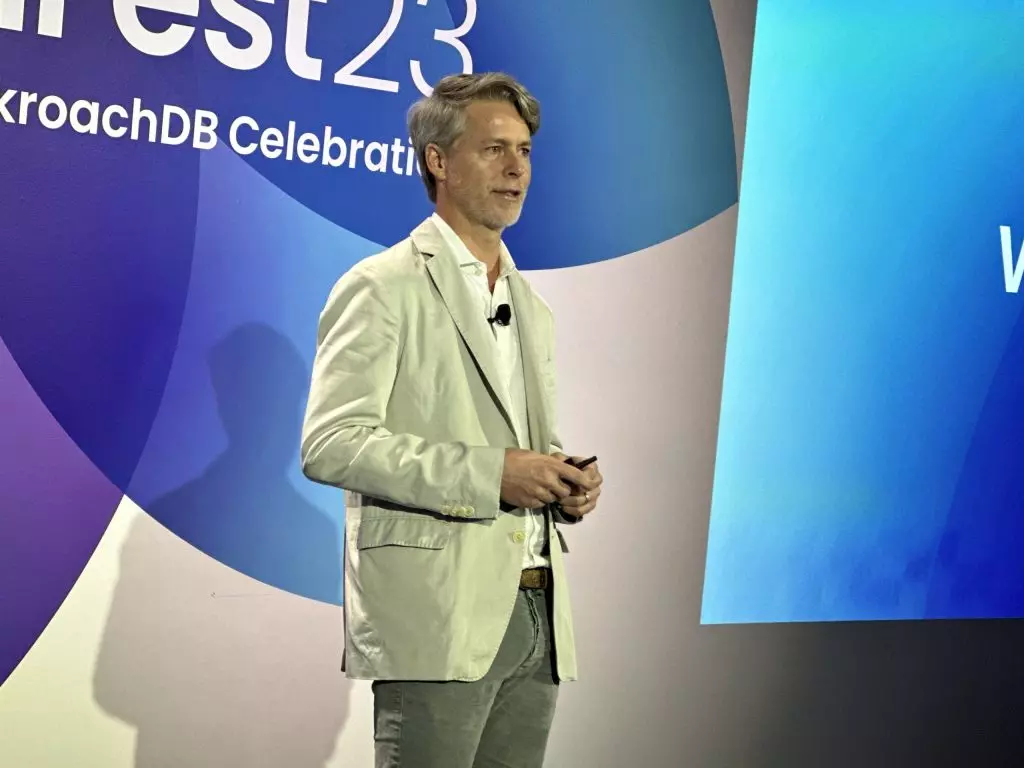
Spencer Kimball, CEO of Cockroach Labs, openly acknowledged in a recent blog post that the former 'open core' model frequently led to user confusion and dissatisfaction. He highlighted two primary shortcomings: non-paying users were unable to utilize critical enterprise features like backup, and larger organizations often leveraged the free tier despite their capacity to invest in the paid version. Kimball pointed out the paradox that as CockroachDB matured, its inherent resilience and minimal operational overhead meant even large enterprises could run it in production with reduced support needs, making the distinction between free and paid tiers less clear-cut.
This strategic realignment is a culmination of the company's evolving understanding of its target audience. Kimball previously explained that Cockroach Labs had refined its focus from a broad developer base to a more specific segment: system architects and CTOs managing global, hyperscale systems. This specialized market values highly resilient, large-scale, multi-cloud database solutions, aligning perfectly with CockroachDB's core strengths. The company recognized that its advanced database, while powerful, might not appeal to every developer, thus necessitating a more targeted approach to market engagement.
Initially, CockroachDB operated under an open-source Apache license. However, in a trend echoed by several other technology firms, the company transitioned to a Business Source License (BSL). This shift permitted users to examine the source code but restricted modification, a move largely aimed at safeguarding against large cloud providers utilizing their code to develop competing services without contributing to the original project's revenue. A blog post from 2019, now removed, detailed this rationale, underscoring the company's intent to protect its business model.
This move mirrored similar actions by Elastic in the past and was subsequently adopted by HashiCorp for its infrastructure management tools and Redis for its data platform, signaling a broader industry trend where companies grapple with monetizing open-source projects. For many of these companies, the licensing changes were presented as essential for financial sustainability.
Previously, to accommodate users unwilling to pay, Cockroach Labs had developed an 'open core' version of its database, allowing free deployment. However, this model proved to be less effective than anticipated.
Conceptually, the open core framework aims to strike a balance: offering an accessible, free version of the software with open source code for evaluation, while simultaneously providing a premium, feature-rich version with enhanced support for paying customers. Yet, Cockroach Labs discovered that this bifurcation often created a significant divide, with the intentionally limited free version sometimes leading to a less-than-ideal user experience. This disparity frequently resulted in dissatisfaction among users and hindered the perception of the product's full value.
Interestingly, the announcement of Cockroach Labs' new licensing strategy has garnered praise from some open-source proponents, even though it signifies a further departure from the traditional ideals of open source. Jim Jagielski, a respected open-source technologist, commended Cockroach Labs for its transparency, stating that the company avoids misrepresenting its offerings as open source when they are not. However, some critics maintain a more cautious stance, questioning the use of 'open source' as a marketing tool. A commenter on Hacker News articulated this skepticism, suggesting that a project controlled by a company that eventually seeks to extract revenue from its users cannot truly be considered open source.
Cockroach Labs' bold decision to offer its enterprise database edition for free to a vast majority of its users marks a significant moment in the evolving narrative of software licensing and business models, particularly within the open-source ecosystem. This move, while seemingly counter-intuitive for a commercial entity, reflects a pragmatic response to the challenges of the 'open core' model and a clear strategic focus on its high-end market. It's a testament to the dynamic nature of technology companies striving to balance community engagement with financial viability.
The transition by Cockroach Labs, effective this autumn with the release of version 24.3, is a compelling example of a technology company recalibrating its market approach. By offering a robust, feature-rich enterprise database without charge to companies below a $10 million revenue threshold, Cockroach Labs aims to cultivate a broader user base and streamline its product offering. This initiative, championed by CEO Spencer Kimball, is a direct acknowledgment of the complexities and frustrations associated with the previous 'open core' model. The company's refined focus on architects and CTOs managing large-scale global systems underscores a mature understanding of its niche, promising a more coherent strategy for growth and innovation in the competitive database landscape.
As a reporter observing the intricate dance between open-source ideals and commercial realities, Cockroach Labs' latest licensing shift is particularly illuminating. It highlights a critical juncture for many software companies: how to monetize sophisticated technology while maintaining accessibility and fostering community. The company's candid admission that the 'open core' model created more confusion than benefit speaks volumes. This move towards a more transparent, yet still controlled, distribution of their enterprise software suggests a mature understanding that true value lies not just in open access, but in providing a clear, high-quality experience. It challenges the conventional wisdom that 'open source' must always mean entirely free and unrestricted, instead positing that a carefully managed free tier, coupled with a focused enterprise strategy, might be the most sustainable path forward in a world dominated by large cloud providers and evolving user expectations. It will be fascinating to see if this model sets a new precedent for other tech firms grappling with similar dilemmas.