Japanese Language Courses: Structure, Learning Systems, and Educational Context
ByNatalia Petrova
1. Objective Clarification
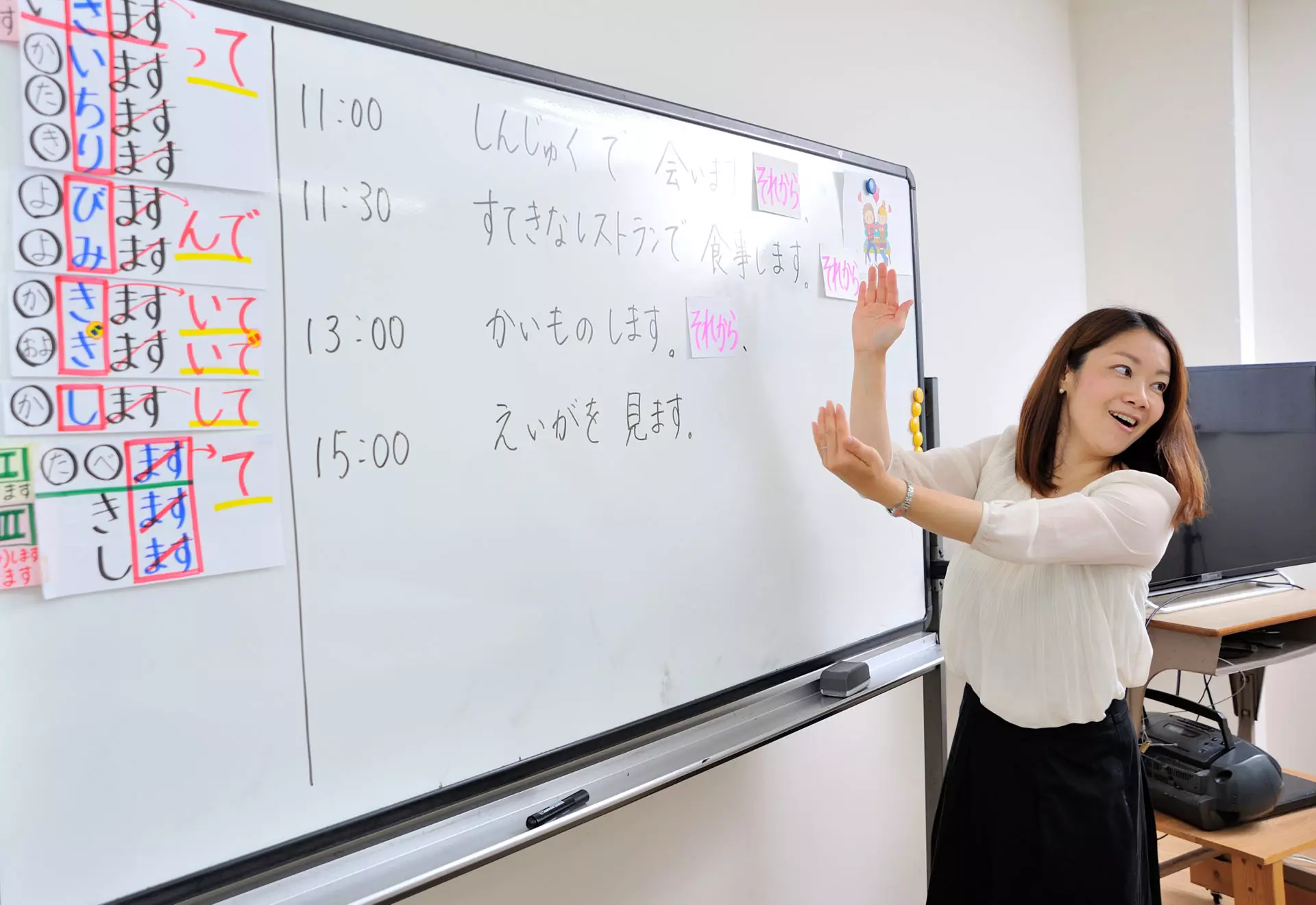
Japanese language courses are organized learning pathways aimed at developing proficiency in reading, writing, listening, and speaking Japanese. These courses are offered in academic institutions, private language schools, and online platforms.
The article addresses the following questions:
What defines a Japanese language course?
What are the foundational elements of the Japanese language?
How do learners typically acquire language skills in structured programs?
What broader roles do such courses play in education and communication?
The structure of the discussion progresses from definition to deeper analysis and contextual understanding.
2. Basic Concept Analysis
The Japanese language is characterized by a combination of writing systems and linguistic structures. Japanese language courses typically introduce learners to three main scripts:
Hiragana: A phonetic script used for native words and grammatical elements
Katakana: A phonetic script used primarily for foreign loanwords
Kanji: Logographic characters derived from Chinese writing systems
In addition to writing, courses focus on:
Grammar patterns and sentence structure
Vocabulary acquisition
Pronunciation and pitch accent
Listening and conversational skills
Many courses align with standardized proficiency frameworks such as the Japanese-Language Proficiency Test (JLPT), which categorizes learners into levels based on language ability.
3. Core Mechanisms and In-Depth Explanation
Japanese language acquisition in structured courses relies on a combination of cognitive, linguistic, and pedagogical mechanisms.
Key mechanisms include:
Incremental Script Learning: Learners begin with hiragana and katakana before progressing to kanji, often following frequency-based character lists
Grammar Sequencing: Instruction moves from simple sentence structures to more complex grammatical forms
Input and Output Balance: Courses integrate listening and reading (input) with speaking and writing (output)
Repetition and Reinforcement: Vocabulary and grammar are reinforced through exercises, dialogues, and assessments
Teaching methods may include classroom instruction, multimedia resources, language labs, and interactive practice. According to data from the Japan Foundation, global interest in Japanese language education has expanded significantly, with millions of learners participating in formal and informal courses worldwide.
The learning process also incorporates cultural context, as language use is closely tied to social norms, politeness levels, and situational expressions.
4. Comprehensive Overview and Objective Discussion
Japanese language courses are offered in diverse formats, including full-time academic programs, part-time evening classes, and self-paced online modules. The structure and intensity of courses vary depending on learner goals and institutional frameworks.
Common characteristics include:
Level-based progression aligned with proficiency standards
Integration of cultural content such as customs and communication styles
Use of textbooks, digital tools, and standardized assessments
Several considerations shape the learning experience:
The complexity of kanji acquisition, which requires sustained memorization and contextual understanding
Differences in teaching approaches, such as grammar-focused versus communication-focused methods
The role of immersion, whether through study abroad or interaction with native speakers
Data from the Japan Foundation indicates that over 3.8 million people globally were studying Japanese as of recent surveys, reflecting its role as a widely taught foreign language.
5. Summary and Outlook
Japanese language courses provide structured pathways for acquiring linguistic and cultural competence. They combine script learning, grammar instruction, and communicative practice to support comprehensive language development.
Future trends may include increased use of digital platforms, adaptive learning technologies, and integration of artificial intelligence in language instruction. These developments reflect broader shifts in global education and language learning practices.
6. Q&A Section
Q1: How long does it take to learn Japanese through structured courses? The duration varies depending on the level of proficiency targeted, with beginner to intermediate progression often requiring several months to years of study.
Q2: Why are there multiple writing systems in Japanese? Japanese uses a combination of phonetic and logographic scripts to represent different types of words and grammatical elements.
Q3: Are cultural topics included in Japanese language courses? Many courses include cultural context to support understanding of language use in real-life situations.
Q4: What is the JLPT and how is it related to courses? The JLPT is a standardized test that measures Japanese language proficiency and is often used as a reference for course levels.