Sculpture Courses: A Scientific Overview of Artistic Education, Techniques, and Applications
ByThomas Red Hawk
This article provides a neutral and structured overview of sculpture courses, defined as educational programs designed to develop skills in creating three-dimensional art. It outlines objectives, examines foundational principles of sculpture, explores mechanisms of learning and skill acquisition, and presents an objective discussion of applications and limitations. A concluding section and question-and-answer segment clarify key points.
Definition and Objective
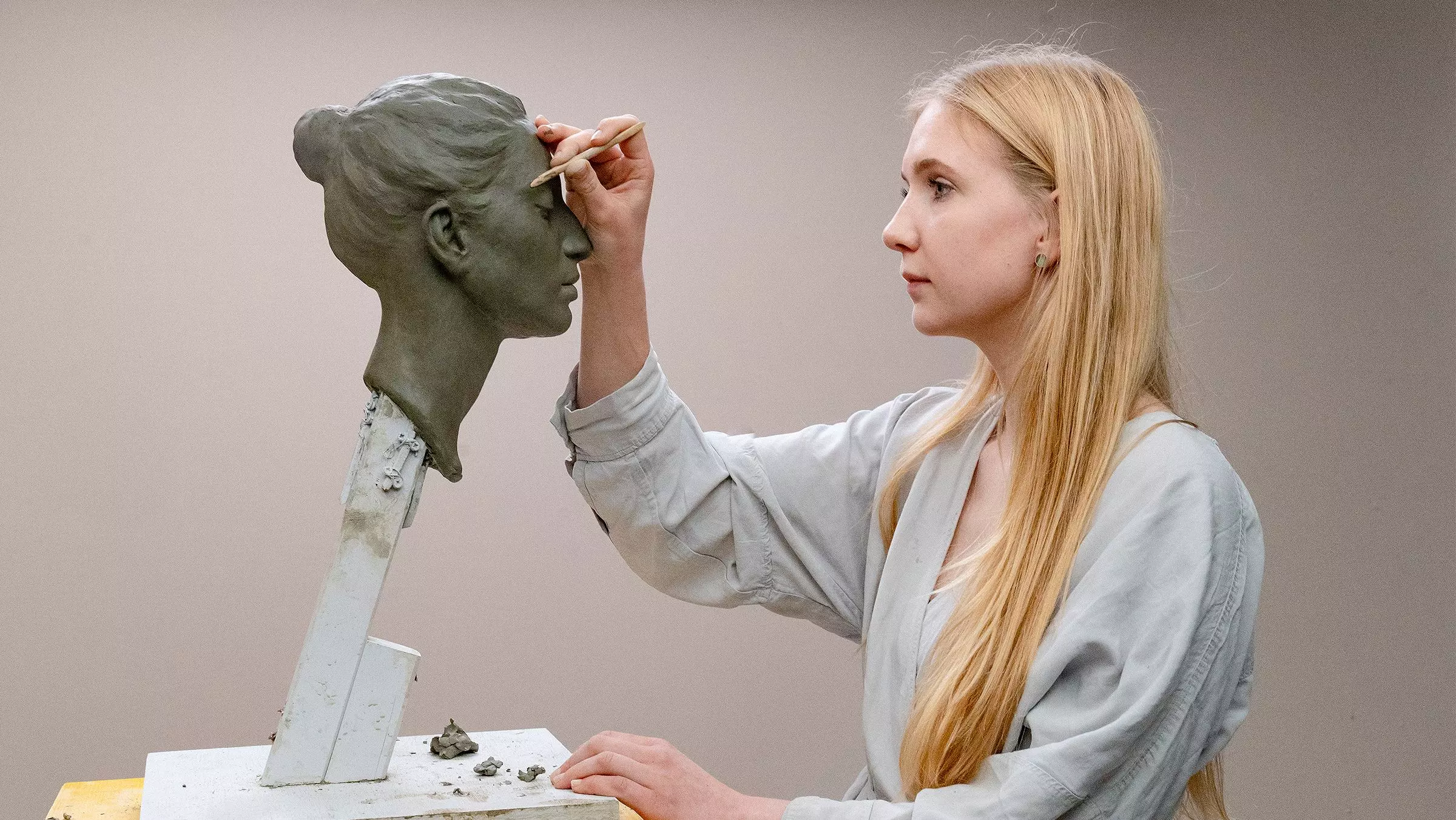
Sculpture courses are structured programs that teach techniques, materials, and principles for creating three-dimensional artistic forms. They may include traditional media such as clay, stone, and metal, as well as contemporary materials and digital tools. The goal is to develop technical skills, spatial understanding, and creative expression.
The objective of this article is to address the following questions:
What are the fundamental concepts underlying sculpture?
How are sculpture courses structured for skill development?
What mechanisms support artistic and technical learning?
What are the broader applications and limitations of sculpture education?
Fundamental Concepts
Sculpture as an art form involves the creation of three-dimensional forms that occupy space and interact with light, texture, and material properties. Key principles include:
Form and Structure: Understanding shapes, volumes, and proportions
Materials: Selection of clay, stone, metal, wood, or synthetic media, each with unique physical properties
Techniques: Carving, modeling, casting, assembling, and digital fabrication
Spatial Awareness: Perceiving and designing objects in three-dimensional space
Sculpture courses often integrate:
Theoretical Instruction: Art history, aesthetics, and material science
Practical Exercises: Hands-on work with various media to develop proficiency
Creative Exploration: Encouraging originality and conceptual development
Project-Based Learning: Creating finished pieces from concept to executions
The iterative process of conceptualization, experimentation, and refinement is central to sculpture education.
Core Mechanisms and In-Depth Explanation
Sculpture training relies on multiple mechanisms to facilitate learning:
Visual and Spatial Cognition Training develops the ability to perceive proportions, depth, and perspective, enabling accurate representation in three dimensions.
Manual Dexterity and Motor Skills Manipulation of materials requires precise hand-eye coordination, strength, and control.
Material Understanding Knowledge of physical properties, durability, and behavior of materials informs technique and design choices.
Feedback and Critique Instructor and peer evaluation provide guidance on technique, form, and conceptual clarity.
Iterative Creation Repeated experimentation, adjustments, and revisions enhance technical skill and artistic judgment.
Research in art education highlights that combining hands-on practice with reflective critique strengthens both technical proficiency and creative thinking.
Comprehensive View and Objective Discussion
Sculpture courses are foundational for artistic development and professional practice in fine arts. They contribute to visual literacy, spatial reasoning, and creative problem-solving.
Considerations include:
Physical Demands: Certain materials and techniques require endurance and precision
Time and Resource Intensity: Access to materials, tools, and studio space affects learning opportunities
Subjectivity in Evaluation: Artistic quality and aesthetic judgment vary, challenging standard assessment
Integration of Contemporary Methods: Digital fabrication, 3D printing, and mixed media expand possibilities
Limitations include the potential difficulty of achieving mastery across multiple media and the subjective nature of artistic assessment.
Conclusion and Outlook
Sculpture courses provide structured education in three-dimensional art, integrating technical skill, spatial cognition, and creative exploration. They combine theoretical instruction, hands-on practice, and iterative creation.
Future developments may include:
Expanded use of digital technologies such as 3D modeling and printing
Hybrid courses combining traditional and contemporary methods
Greater focus on interdisciplinary applications linking sculpture with architecture, design, and digital arts
These trends suggest continued evolution in sculpture education, emphasizing adaptability, innovation, and technological integration.
Questions and Answers
1. What is the focus of sculpture courses? Developing technical skills, spatial awareness, and creative expression in three-dimensional art.
2. What types of techniques are taught? Carving, modeling, casting, assembling, and digital fabrication.
3. How is learning facilitated? Through hands-on practice, material study, visual-spatial training, and feedback.
4. What are key considerations in sculpture education? Physical demands, resource access, evaluation subjectivity, and integration of new methods.
5. How is the field evolving? Digital technologies, interdisciplinary applications, and hybrid teaching methods are expanding opportunities.