Theater Training: Definition, Methods, and Educational Impact
ByYoussef Khoury
1. Objective
The objective of this article is to provide a neutral and comprehensive explanation of theater training. It addresses key questions: What constitutes theater training? What are the fundamental skills and concepts involved? How are these skills developed through structured practice? What are the broader educational, cognitive, and social implications? The discussion progresses from basic definitions to mechanisms, practical application, and a comprehensive evaluation.
2. Basic Concept Explanation
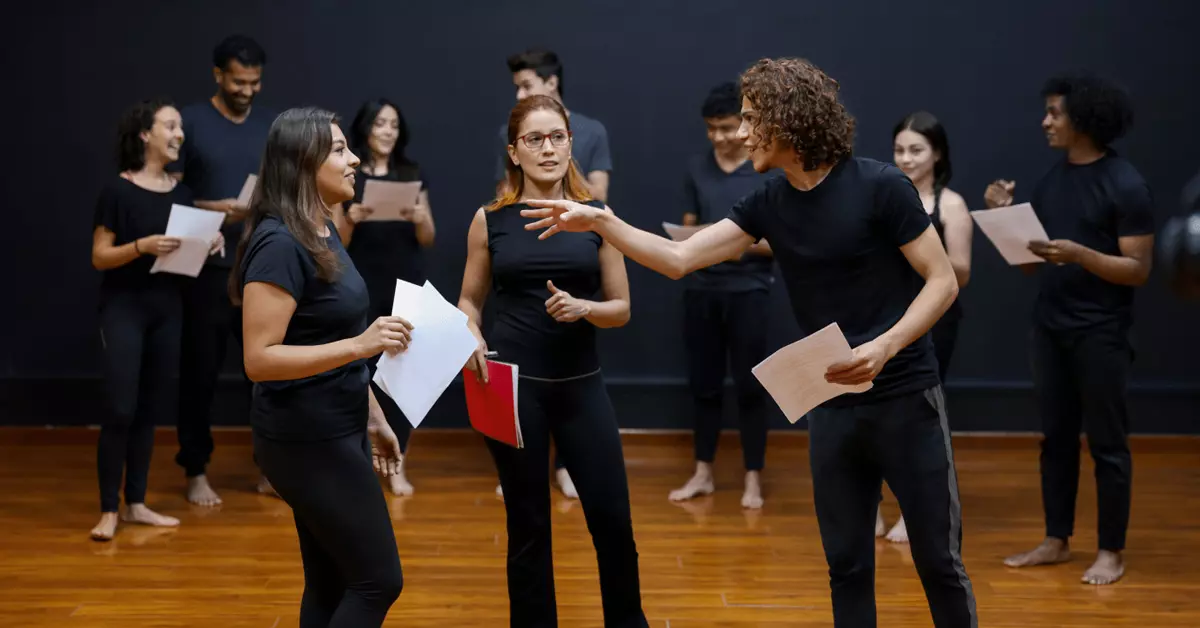
Theater training refers to organized programs designed to teach individuals performance techniques, artistic expression, and collaborative skills relevant to stage and screen productions. Core elements include:
Acting techniques and character development
Voice modulation, diction, and projection
Movement, physicality, and stage presence
Improvisation and creativity
Collaborative skills for ensemble performance
The goal of theater training is to develop expressive and technical competence while fostering cognitive, social, and emotional skills applicable in both artistic and educational contexts.
3. Core Mechanisms and In-Depth Explanation
3.1 Learning Approaches
Theater training employs diverse pedagogical methods:
Technical Instruction: Covers acting methods, voice techniques, and stagecraft fundamentals.
Practical Exercises: Includes scene work, monologues, and physical exercises to develop presence and timing.
Improvisation Workshops: Encourages spontaneity, creative problem-solving, and adaptability.
Performance Feedback: Observational critique and guided reflection enhance skill refinement.
Collaborative Projects: Ensemble work fosters teamwork, communication, and interpersonal skills.
3.2 Mechanisms of Skill Development
Theater training influences learning through multiple mechanisms:
Cognitive Engagement: Memory, focus, and analytical skills are developed through script analysis and character study.
Emotional Awareness: Empathy and emotional expression are cultivated through role-play and performance.
Physical Coordination: Movement and body awareness are improved through exercises and stage blocking.
Social and Communication Skills: Ensemble work enhances collaboration, verbal and non-verbal communication, and conflict resolution.
3.3 Assessment Mechanisms
Evaluation in theater training may involve:
Observation of performance quality and technique
Reflection and self-assessment on rehearsal processes
Peer and instructor feedback
Performance in public or simulated stage settings
These mechanisms provide structured, objective insights into skill development.
4. Comprehensive Overview and Objective Discussion
4.1 Educational and Cultural Applications
Theater training is applied in multiple contexts:
Formal Education: School and university theater programs integrate artistic, cognitive, and social development.
Professional Training: Prepares actors for stage, film, and television careers.
Community and Social Programs: Enhances communication, teamwork, and cultural engagement.
Therapeutic and Developmental Applications: Drama-based programs support emotional and social learning.
4.2 Variability in Training Programs
Programs differ based on:
Participant age and experience level
Training focus (classical theater, contemporary performance, improvisation)
Duration and intensity of instruction
Integration of interdisciplinary methods, such as music, dance, or digital media
4.3 Limitations and Considerations
Theater training develops expressive and technical skills but does not automatically confer professional readiness. Outcomes are influenced by:
Individual aptitude, motivation, and prior experience
Instructor expertise and curriculum design
Opportunities for practical performance and rehearsal
Training provides structured development but interacts with multiple contextual and personal factors.
5. Summary and Outlook
Theater training is a structured educational process designed to cultivate performance, artistic, and collaborative skills. It combines technical instruction, practical exercises, improvisation, and ensemble work to foster cognitive, emotional, physical, and social development. Applications extend across educational, professional, and community contexts. Ongoing developments, including digital performance platforms and interdisciplinary integration, are likely to enhance accessibility and skill acquisition in theater training.
6. Q&A Section
Q1: What is the purpose of theater training? To develop expressive, technical, and collaborative skills relevant to performance and personal development.
Q2: How are practical skills developed? Through rehearsal, improvisation, ensemble exercises, and guided feedback.
Q3: Does theater training only apply to professional actors? No, it also benefits students, community participants, and individuals in therapeutic or educational contexts.
Q4: What mechanisms support cognitive and emotional development? Script analysis, character study, role-play, and reflective exercises foster memory, empathy, and emotional expression.
Q5: How is performance evaluated? Through observation, feedback, rehearsal assessment, and practical performance opportunities.